
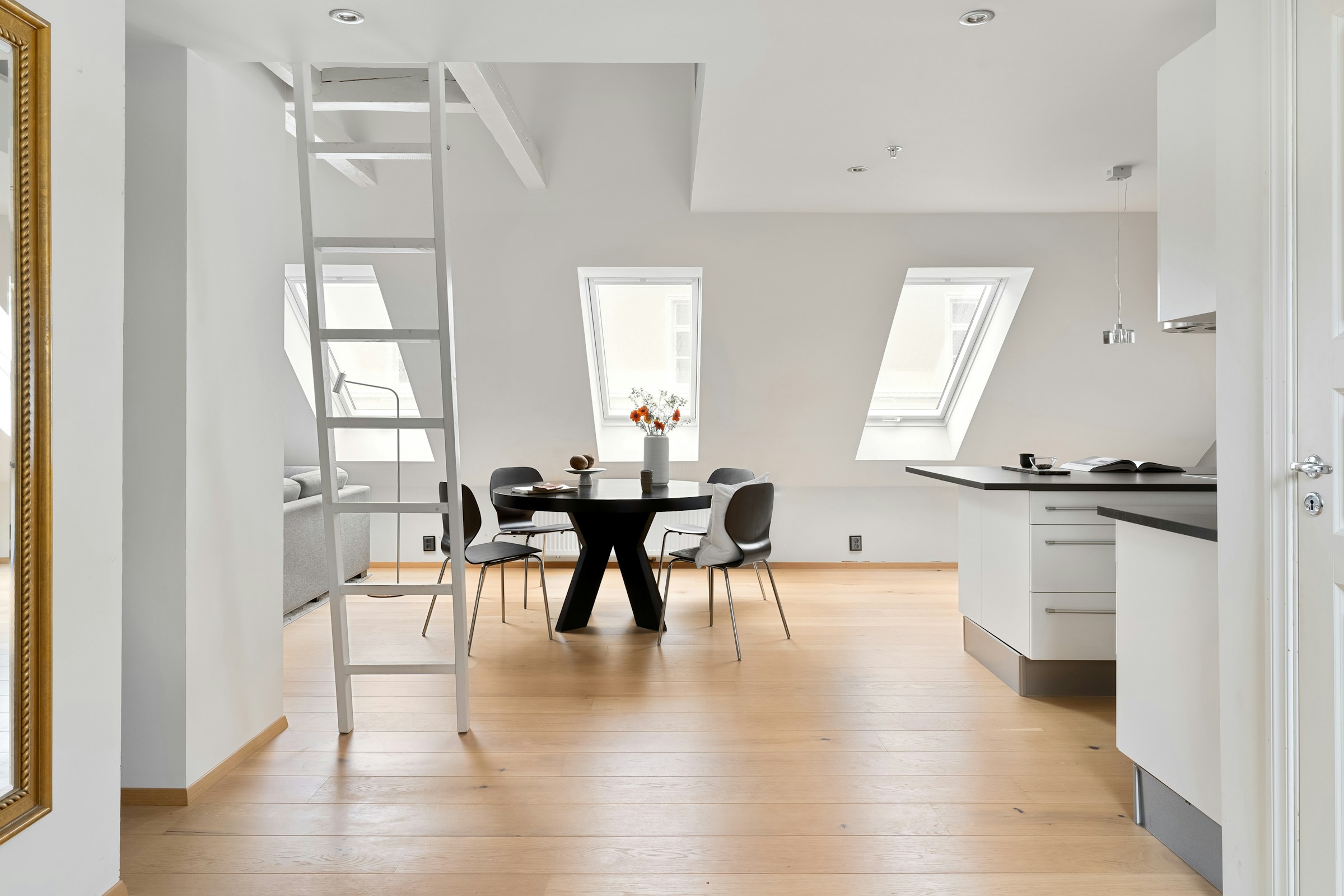
Essential Requirements for Renting Office Space: A Complete Checklist for Businesses
Renting an office space is one of the most important decisions a business owner makes. Get it right, and you increase productivity, enhance team morale, and beautify your brand’s image. Get it wrong, and you can face hidden charges, logistical nightmares, and a rigid rent that hurts your bottom line.
This blog is your comprehensive checklist to navigate through the confusion and ensure you cover every important requirement before committing.
Your Essential Office Rental Checklist
- Confirm your budget, location, and size requirements before you begin your search.
- Verify lease terms, deposit requirements, and hidden costs like utility or maintenance escalations.
- Check building services, accessibility, and safety compliance (internet speed, HVAC, security, and fire exits).
- Understand legal obligations: What insurance, permits/zoning guidelines apply to your business?
- Negotiate flexibility for future expansion or the option to downsize if needed.
Essential Requirements for Renting Office Space
Renting office space is about more than just the monthly rent. It’s an investment in your business future. Use this checklist to assess every potential commercial rental space.
1. Budget and Financial Considerations
The biggest mistake is focusing only on the base rent. Always factor in the total occupancy cost.
-
Monthly Rent and Payment Schedule:
Confirm the exact rent and when payments are due.
-
Security Deposit and Advance Payments:
How much is the deposit for 1–3 months’ rent? When is it due?
-
Utilities, Maintenance, and Service Charges (CAM):
Clarify what’s included and what is extra. Does your rent include electricity, water, and trash, or are these billed separately?
-
Hidden Fees or Escalation Clauses:
Look out for annual rent increases or clauses that allow the owner to pass on sudden maintenance expenses.
2. Location and Accessibility
Location impacts everything: commute time for employees, meetings with the clients and vendors, and hiring.
-
Proximity to Clients and Public Transport:
Is it easy for your key clients and partners to visit? Can most employees travel with ease without a car using public transport?
-
Parking Availability:
Ensure there’s enough parking for both employees and visitors.
-
Local Amenities:
Check for local coffee shops, eating places, banks, or health centers. These small conveniences extensively boost employee satisfaction.
3. Space and Layout Requirements
Your space needs to help your staff today and in future.
-
Square Footage and Configuration:
Does the layout support your work style? Do you need open-plan workstations, personal places of work, or dedicated quiet zones?
-
Capacity to Accommodate Employees:
Use a ratio of approximately 75 to 150 square feet per person as a starting point, depending on the need for collaboration space.
-
Potential for Expansion or Downsizing:
Does the building have larger or smaller units you can move into later? This is important for fast growing startups.
4. Legal and Lease Requirements
The rent agreement is the legal backbone of your space. Read each word carefully.
-
Lease Type:
Are you looking for a short-term commitment (1–2 years) or a long-term lease (3+ years)?
-
Terms, Renewal Options, and Termination Clauses:
Define the precise lease period. Can you renew? What are the consequences in case you want to quit the lease early?
-
Insurance and Liability Requirements:
Most landlords require tenants to maintain property and liability coverage. Confirm the minimum required coverage.
-
Permits and Compliance:
Ensure the business rental space is rightly zoned for your type of work.
5. Giving Amenities and Infrastructure
A modern office needs reliable infrastructure to function.
-
Internet, Telecom, and IT Infrastructure:
Which internet service providers (ISPs) are available for the building? What are the connection speeds? High-speed fiber is essential.
-
HVAC, Security, and Accessibility:
Are the heating, ventilation, and air conditioning (HVAC) systems reliable? Are there secure access controls for after-hours work?
-
Common Areas and Facilities:
Check the quality of the lobby, restrooms, break areas, and shared conference rooms.
6. Safety and Compliance
Do not forget about the safety features. This is non-negotiable for worker well-being and legal compliance.
-
Fire Safety and Emergency Exits:
Verify that fire alarms, sprinklers, and emergency exits are marked and absolutely functional.
-
Health and Safety Regulations:
The space must comply with local health and safety codes.
-
Accessibility Standards:
If you have, or plan to hire, team members with disabilities, make sure the building meets applicable accessibility standards (ramps, reachable restrooms, etc.).
7. Negotiation and Flexibility
Every element of the lease is generally open for negotiation, especially in a commercial office space for rent. Don’t be afraid to ask.
-
Negotiate Rent and Deposits:
Ask for incentives, which include a reduced price for the first few months or a decreased security deposit.
-
Lease Flexibility:
Request a clause that allows expansion or maybe a temporary reduction of the space in case your business changes considerably.
-
Subleasing Options:
Can you legally sublet a part of the office if you discover you’ve got excess space later?
Optional Considerations (Advanced)
These factors can distinguish a good office space for rent from an outstanding one.
-
Sustainability Certifications:
Look for LEED or electricity-efficient buildings. These often have lower utility charges and an appeal to environmentally conscious employees.
-
Community and Networking:
Does the building host events or offer an experience of community that could benefit your networking efforts?
FAQs
- What is the typical deposit for renting office space?
Typically, a security deposit is 1–3 months’ rent, depending on your business’s financial stability, the location, and the landlord’s necessities.
- Can small organizations negotiate lease terms?
Yes, absolutely! You have the most leverage if you are committing to a longer lease time period (e.g.five years) or if the building has excessive vacancy. Focus your negotiation on the lease, the deposit amount, or tenant improvement allowances (money for renovations).
- Do I need insurance before renting?
Most landlords require it. You will generally need commercial standard liability insurance and often property insurance to cover your property inside the leased space. Always check the precise lease requirements.
- Should I rent furnished or unfurnished?
It depends on your budget and timeline. Furnished spaces save time and setup expenses but provide little flexibility for personalization. Unfurnished spaces are a blank canvas, allowing you to design the proper layout for your team.
Ready to Find Your Ideal Office Space Rental?
Looking for the perfect office space rental for your business? You need a space that offers premium amenities, compliance, and flexible terms. Explore Bonan Towers’ premium office spaces with flexible lease options tailored to your business’s needs.
Conclusion
Renting an office space is a large investment that calls for cautious planning around finances, location, legal, and operational requirements. By using this comprehensive checklist, you can ensure you make informed decisions, avoid common pitfalls and hidden costs, and secure a space that actually supports your business growth.
Take the time to review each item on this list, and you will set your business up for a smooth, professional rental experience.
Add Your Heading Text Here
Sf Available
Property Details
Lorem ipsum dolor sit amet, consectetur adipiscing elit. Ut elit tellus, luctus nec ullamcorper mattis, pulvinar dapibus leo.
Space Type
Office
Stories
06
Building Class
A
Total square feet Size:
81,000 SF
For Lease:
Contact for pricing
Parking Spaces
386
Space Type
01
Stories
01
Building Class
01
Total square feet Size:
01
For Lease:
01
Parking Spaces
01
Want more info on this property?
Lorem ipsum dolor sit amet, consectetur adipiscing elit. Ut elit tellus, luctus nec ullamcorper mattis, pulvinar dapibus leo.
Amenities
Lorem ipsum dolor sit amet, consectetur adipiscing elit. Ut elit tellus, luctus nec ullamcorper mattis, pulvinar dapibus leo.
- Restaurants
- Restaurants
- Retails
- Retails
Nearby Properties
Lorem ipsum dolor sit amet, consectetur adipiscing elit. Ut elit tellus, luctus nec ullamcorper mattis, pulvinar dapibus leo.